Innovative Waste Management Solutions for a Sustainable Future
Waste management is a pressing issue that affects communities, economies, and the environment. As the global population continues to grow, the amount of waste generated increases, leading to significant challenges in disposal and recycling. Traditional waste management methods are no longer sufficient to address these challenges. Therefore, innovative waste management solutions are essential for creating a sustainable future. This blog post explores various innovative approaches to waste management, highlighting their benefits and practical applications.
Understanding the Waste Management Challenge
Before diving into innovative solutions, it is crucial to understand the scope of the waste management challenge. According to the World Bank, global waste generation is expected to increase by 70% by 2050, reaching 3.4 billion tons annually. This surge in waste poses serious environmental threats, including pollution, greenhouse gas emissions, and resource depletion.
Key Issues in Waste Management
Landfill Overload: Many cities rely heavily on landfills for waste disposal, leading to overcrowding and environmental hazards.
Recycling Inefficiencies: Despite the importance of recycling, many materials still end up in landfills due to inadequate recycling infrastructure and public awareness.
Resource Depletion: The extraction of raw materials for production contributes to environmental degradation and resource scarcity.
Innovative Waste Management Solutions
1. Waste-to-Energy Technologies
Waste-to-energy (WTE) technologies convert non-recyclable waste materials into usable forms of energy, such as electricity, heat, or fuel. This process not only reduces the volume of waste sent to landfills but also provides a renewable energy source.
Example: Incineration Plants
Incineration plants burn waste at high temperatures, converting it into ash, flue gas, and heat. The heat generated can be used to produce steam, which drives turbines to generate electricity. Countries like Sweden and Denmark have successfully implemented incineration as a key component of their waste management strategies.
2. Advanced Recycling Techniques
Innovative recycling technologies are emerging to improve the efficiency and effectiveness of recycling processes. These techniques can help recover valuable materials from waste that traditional methods may overlook.
Example: Chemical Recycling
Chemical recycling breaks down plastics into their original monomers, allowing them to be reused in the production of new plastics. This method can handle contaminated plastics that are typically not recyclable through conventional means. Companies like Loop Industries are pioneering this technology, aiming to create a circular economy for plastics.
3. Composting and Organic Waste Management
Composting is an effective way to manage organic waste, such as food scraps and yard waste. By converting organic materials into nutrient-rich compost, communities can reduce landfill waste and enrich soil.
Example: Community Composting Programs
Many cities have implemented community composting programs that encourage residents to compost their organic waste. These programs often provide compost bins and educational resources to promote participation. For instance, San Francisco has a successful composting initiative that has diverted over 1.5 million tons of organic waste from landfills since its inception.
4. Smart Waste Management Systems
The integration of technology into waste management can enhance efficiency and reduce costs. Smart waste management systems use sensors, data analytics, and IoT devices to optimize waste collection and processing.
Example: Smart Bins
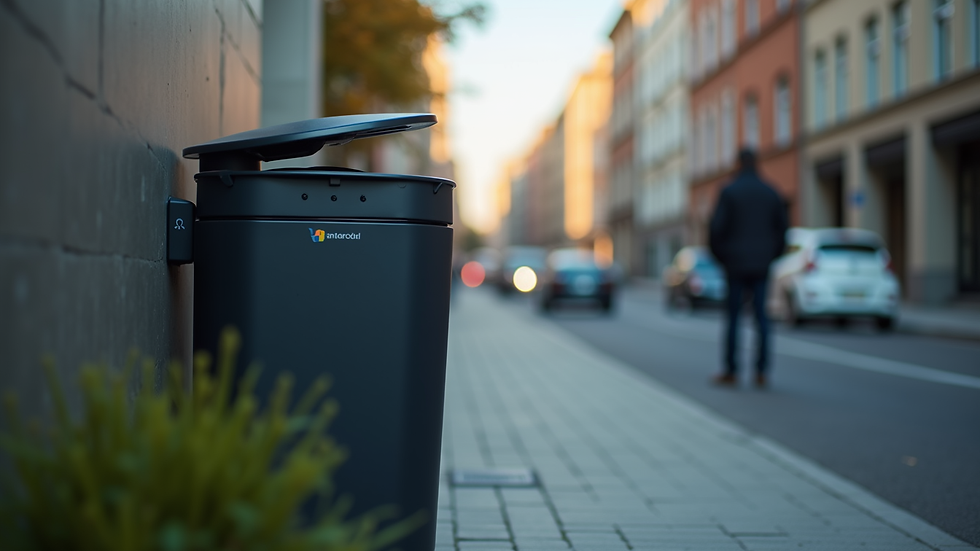
Smart bins equipped with sensors can monitor waste levels and send alerts to waste management services when they need to be emptied. This technology reduces unnecessary collection trips, saving fuel and labor costs. Cities like Barcelona have implemented smart bin systems to improve waste collection efficiency.
5. Circular Economy Initiatives
The concept of a circular economy focuses on minimizing waste and making the most of resources. This approach encourages businesses and consumers to rethink their consumption habits and prioritize sustainability.
Example: Product-as-a-Service Models
Instead of selling products outright, companies can offer them as services. For instance, instead of purchasing a washing machine, consumers can pay for a washing service. This model encourages manufacturers to design products that are durable and easy to repair, reducing waste and promoting sustainability.
The Role of Education and Community Engagement
Innovative waste management solutions require the support and participation of the community. Education and awareness campaigns can empower individuals to adopt sustainable practices and contribute to waste reduction efforts.
Strategies for Community Engagement
Workshops and Seminars: Organizing events to educate the public about waste management practices and the importance of recycling.
Incentive Programs: Offering rewards for individuals and businesses that actively participate in waste reduction initiatives.
Partnerships with Local Organizations: Collaborating with schools, non-profits, and businesses to promote sustainable practices within the community.
Policy and Regulatory Frameworks
Government policies play a crucial role in shaping waste management practices. Effective regulations can incentivize innovation and ensure that waste management systems are sustainable and efficient.
Key Policy Recommendations
Extended Producer Responsibility (EPR): Implementing EPR policies that hold manufacturers accountable for the entire lifecycle of their products, including disposal and recycling.
Waste Reduction Targets: Setting ambitious waste reduction targets for municipalities and businesses to encourage proactive waste management strategies.
Funding for Research and Development: Allocating resources to support the development of new waste management technologies and practices.
Conclusion
Innovative waste management solutions are essential for addressing the growing waste crisis and creating a sustainable future. By embracing technologies such as waste-to-energy, advanced recycling, and smart waste management systems, communities can significantly reduce waste and its environmental impact. Additionally, fostering a culture of sustainability through education and community engagement will empower individuals to take action. As we move forward, it is crucial for governments, businesses, and individuals to collaborate and implement effective waste management strategies that prioritize sustainability and resource conservation.
By adopting these innovative approaches, we can pave the way for a cleaner, greener, and more sustainable future.
Comments